
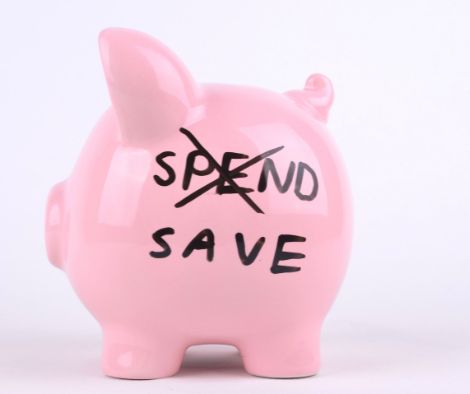
AUSTIN, Texas As July begins, thousands of Americans are hitting pause on impulse purchases and taking part in a growing social media trend known as “No Buy July.”
The month long challenge encourages participants to avoid spending money on nonessential items while focusing on saving, budgeting, and making better use of what they already own. Across TikTok, Instagram, and YouTube, creators are sharing grocery budgets, pantry meal ideas, thrift store finds, and practical tips for cutting unnecessary expenses.
What started as a personal finance challenge has quickly become one of the season’s most talked about lifestyle movements.
Financial experts say the trend is helping people rethink everyday spending habits without requiring complicated budgeting plans.
A Different Kind of Summer Challenge
Unlike fitness challenges or viral internet trends, No Buy July centers on making thoughtful financial decisions.
Participants commit to skipping purchases such as new clothes, home décor, electronics, and other nonessential items for the month.
Many still buy groceries, pay bills, fill up the gas tank, and cover necessary household expenses. The goal is not to stop spending altogether. It is to become more intentional about where money goes.
For many families, the challenge is an opportunity to reset after a busy start to the year.
Social Media Is Driving the Trend
Much of the challenge’s popularity comes from social media.
Creators are posting daily updates showing how they avoid unnecessary purchases while finding creative alternatives.
Some prepare meals using ingredients already in their pantry. Others organize closets, redecorate rooms using items they already own, or swap books and clothing with friends instead of shopping.
The videos often feature realistic successes and setbacks, making the challenge feel approachable rather than restrictive.
Viewers say they appreciate practical advice that can easily fit into everyday life.
Saving Money Without Feeling Deprived
One reason No Buy July continues to attract attention is its flexibility.
Participants create their own rules based on personal financial goals.
Some avoid online shopping completely, while others simply reduce spending on takeout meals, coffee runs, or entertainment.
Financial planners say even small changes can add up over the course of a month.
Many participants also report becoming more aware of impulse buying and subscription services they rarely use.
Local Businesses Are Seeing a Different Opportunity
While the challenge encourages consumers to spend less, some local businesses are finding ways to participate.
Libraries, community centers, public parks, and free summer events are seeing increased interest from people looking for affordable activities.
Neighborhood swap events, used bookstores, and thrift shops are also attracting visitors searching for budget friendly alternatives.
Business owners say the trend highlights value rather than discouraging spending altogether.
Building Better Financial Habits
Personal finance educators believe No Buy July is about more than saving money for a single month.
Many participants use the challenge to build long term habits such as meal planning, tracking expenses, avoiding impulse purchases, and setting savings goals.
Some families involve children by creating fun activities at home instead of spending money on expensive outings.
Others use the month to pay down debt or build an emergency fund.
Looking Ahead
Whether participants save twenty dollars or several hundred, many say the biggest benefit is becoming more mindful about everyday purchases.
As more Americans embrace No Buy July, the challenge is evolving from a social media trend into a practical approach to personal finance.
For people looking to stretch their budget without making dramatic lifestyle changes, one month of thoughtful spending may be enough to create habits that last long after July comes to an end.